Table of Contents
-
What is the Purpose of Conservation?
-
What is the Main Aim of Conservation Groups?
-
Why is it Important to Work in Partnership with Other Organisations?
-
What Are the Three Main Objectives of Conservation?
-
The Tangible Benefits of Partnering with Other Organizations
What is the Purpose of Conservation?
At its core, conservation is about ensuring that the natural world, its species, habitats, and ecosystems continues to exist for future generations. The United States Code, in its official definition, describes conservation as "the use of methods and procedures necessary to prevent the diminution of, and to sustain viable populations of, a species" . This legal definition captures the essential purpose: preventing decline while maintaining healthy populations.
But conservation goes beyond simply protecting what remains. According to the U.S. Code, it includes "all activities associated with wildlife management," such as habitat protection and restoration, research and monitoring of populations, and perhaps most critically for organizations like Ocean Sole, "community outreach and education" and "strengthening the capacity of local communities to implement conservation programs" .
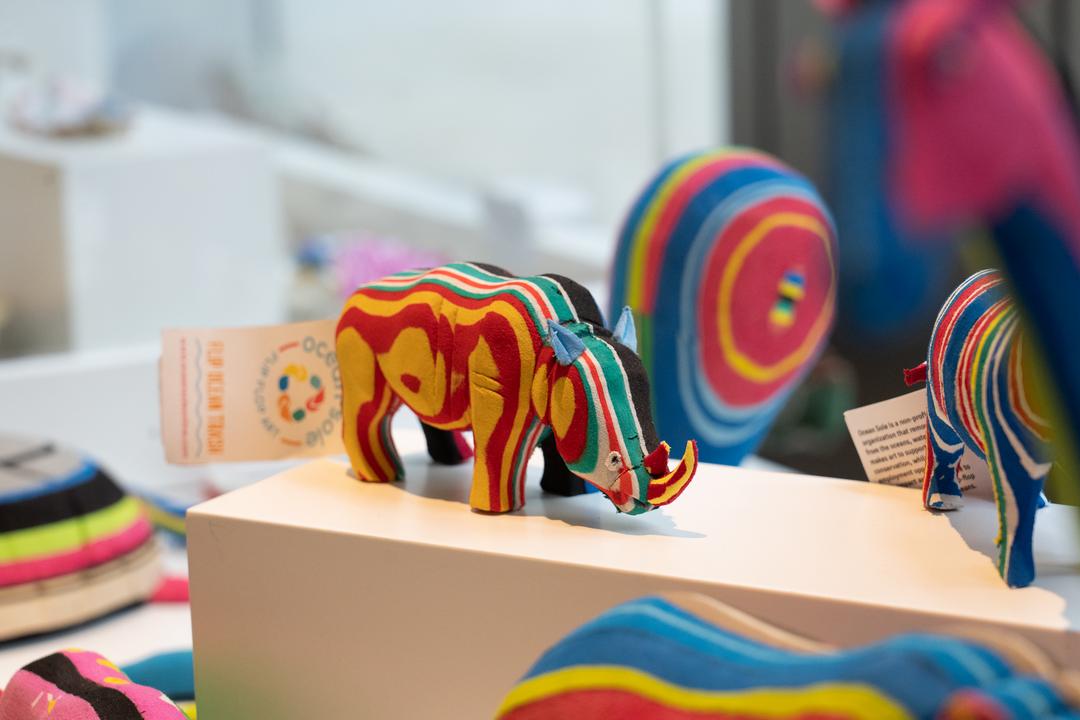
For Ocean Sole, this purpose is lived out daily on Kenya's beaches. Every flip-flop we collect is an act of conservation preventing plastic from diminishing marine habitats and protecting the viable populations of sea turtles, shorebirds, and fish that depend on clean coastlines. Our work with local communities to collect waste and transform it into upcycled art embodies the community-centered approach that modern conservation demands.

Ocean Sole members heading out for a beach cleanup ready to protect the shoreline.
What is the Main Aim of Conservation Groups?
The main aim of conservation organizations has evolved significantly in recent years. According to the International Union for Conservation of Nature's (IUCN) Programme for 2026-2029, conservation groups now work toward three interconnected impacts: ensuring biodiversity is "effectively conserved, protected and restored" across land, freshwater, and marine realms; using conservation to address the "nature–global change nexus" through Nature-based Solutions; and promoting the "equitable, legitimate, legal and sustainable use of nature" that contributes to both conservation and a just society .
This is a shift from simply "saving nature" to recognizing that human communities and natural systems are inseparable. Conservation groups now aim to protect ecosystems while simultaneously supporting the people who depend on them.
For Ocean Sole, this aim resonates deeply. Our model doesn't just clean beaches; it creates economic opportunity for Kenyan artisans through fair-trade creative work. We address the systemic risk of plastic pollution while building community resilience a living example of conservation that serves both people and the planet.
Why is it Important to Work in Partnership with Other Organisations?
“Wildlife does not recognize national borders and neither do the threats they face.” This simple truth, articulated by the World Bank's Global Wildlife Program, explains why partnership is not optional but essential .
The Global Wildlife Program, funded by the Global Environment Facility and led by the World Bank, brings together 38 countries across Africa, Asia, and Latin America and the Caribbean in one of the largest global wildlife conservation partnerships. Through its "twinning initiative," the program pairs projects from different countries to share knowledge and strengthen international collaboration .
For Ocean Sole, partnerships amplify our impact. When we collaborate with brands, NGOs, and educational institutions, we multiply the reach of our beach cleanup Kenya initiatives and bring the story of marine conservation to audiences we could never reach alone.
What Are the Three Main Objectives of Conservation?
The IUCN Programme 2026-2029 articulates three main objectives that guide conservation efforts globally :
Objective 1: Biodiversity Conservation, Protection, and Restoration:
The first objective is that biodiversity including ecosystems, species, and genetic diversity has been "effectively conserved, protected and restored" across land, freshwater, and marine realms. This includes mainstreaming conservation across all sectors of society, not just within protected areas.
For Ocean Sole, this objective translates into direct habitat protection. Each sculpture we create represents hundreds of flip-flops removed from coastal ecosystems, restoring the beach environment for nesting sea turtles and other marine life. Our work contributes to the protection of Kenya's marine biodiversity through tangible cleanup action.

A vibrant lineup of handcrafted Ocean Sole animals each uniquely sculpted from recycled flip-flops.
Objective 2: Addressing the Nature-Global Change Nexus:
The second objective is that "effective conservation of biodiversity and ecosystem services has contributed significantly to addressing the nature–global change nexus, including through Nature-based Solutions to build ecosystem and societal resilience" . This means using conservation as a tool to address climate change, pollution, and other global crises.
Ocean Sole's model is a Nature-based Solution in action. By upcycling plastic waste, we prevent its breakdown into climate-warming microplastics while building community resilience through artisan employment. This dual benefit ecological and social exemplifies the integrated approach the IUCN calls for.
Objective 3: Equitable and Sustainable Use:
The third objective is that "equitable, legitimate, legal and sustainable use of nature and natural resources have contributed to both nature conservation and a just, equitable and sustainable society" . This recognizes that conservation cannot succeed if it ignores human needs and rights.
Ocean Sole's commitment to fair-trade practices and community engagement reflects this objective. Our artisans are not just workers; they are partners in conservation who share in the benefits of the enterprise. This creates a just model where environmental protection and human dignity advance together.
The Tangible Benefits of Partnering with Other Organizations
Partnerships are not just a nice idea they are essential for real impact. Here are three clear benefits of working together, shown through recent examples and connected to Ocean Sole's work.
Benefit 1: Bigger Impact Through Shared Resources
When organizations join forces, they can achieve what none could do alone. They share funding, expertise, and networks to scale up solutions faster.
Real-world example: The Global Plastic Action Partnership (GPAP), an initiative of the World Economic Forum, now supports 25 national partnerships tackling plastic pollution worldwide . In Southeast Asia alone, six countries indonesia, Vietnam, the Philippines, Cambodia, Lao PDR, and Bangladesh work together through this model, sharing strategies and data to reduce plastic waste
What this means for Ocean Sole: When we partner with purpose-driven brands, their resources help scale our beach cleanups and artisan programs. A single company's support can fund hundreds of hours of cleanup impact multiplied through partnership.
Benefit 2: Stronger Solutions Through Shared Knowledge
Partnerships let organizations learn from each other's successes and failures. This knowledge-sharing speeds up innovation and prevents wasted effort.
What this means for Ocean Sole: Every brand partner brings fresh ideas and perspectives. A hotel chain might show us new ways to engage guests in conservation. A tech company might help us track our impact digitally. We grow through what our partners teach us.
Benefit 3: Real Change at the Community Level
The most meaningful partnerships empower local communities to lead solutions. When global organizations support grassroots efforts, change becomes sustainable.
Real-world example: The Biodiversity Small Funds Initiative, launched at the UN Ocean Conference 2025, supports 20 community-led projects across Asia, Africa, and Latin America . These are not one-off cleanups but long-term, community-driven models.
These examples show that those most affected by plastic pollution are often best positioned to solve it when given the right support.
What this means for Ocean Sole: This is our model exactly. Our artisans are not just workers they are community members whose livelihoods depend on healthy coasts. When you partner with us, you support Kenyan communities directly. Every sculpture sold means income for a local artisan and cleaner beaches for their children.
 Ocean Sole artisans at work surrounded by colorful recycled flip-flops awaiting transformation.

Flip-flops before being processed into art, they are washed, carved, polished until they pop with color and are ready to decorate spaces, bringing awareness and sparking conversation about marine pollution and ecological action.
Partnerships multiply impact. They bring more resources, smarter solutions, and lasting community change.
Ocean Sole has seen this firsthand. Working with brands, NGOs, and individuals allows us to collect more flip-flops, employ more artisans, and protect more coastline than we ever could alone.
When we partner, the ocean wins.
Ready to bring conservation to your corporate world?
Explore Ocean Sole’s Partnership Opportunities →