Table of Contents
-
What Does Sustainability Mean in Interior Design?
-
How to Implement Sustainability in Interior Design
-
What Are the 4 Types of Sustainability?
-
How Can Interior Designers Have an Impact on Sustainable Design?
-
Is Upcycling the Best Approach for Designers to Contribute to the Sustainable Textile Industry?
What Does Sustainability Mean in Interior Design?
Sustainability in interior design has moved from a niche consideration to a baseline expectation. According to the American Society of Interior Designers (ASID) 2026 Trends Outlook, sustainability is no longer an optional add-on but a fundamental requirement that clients, collaborators, and wider society expect to be built into every project
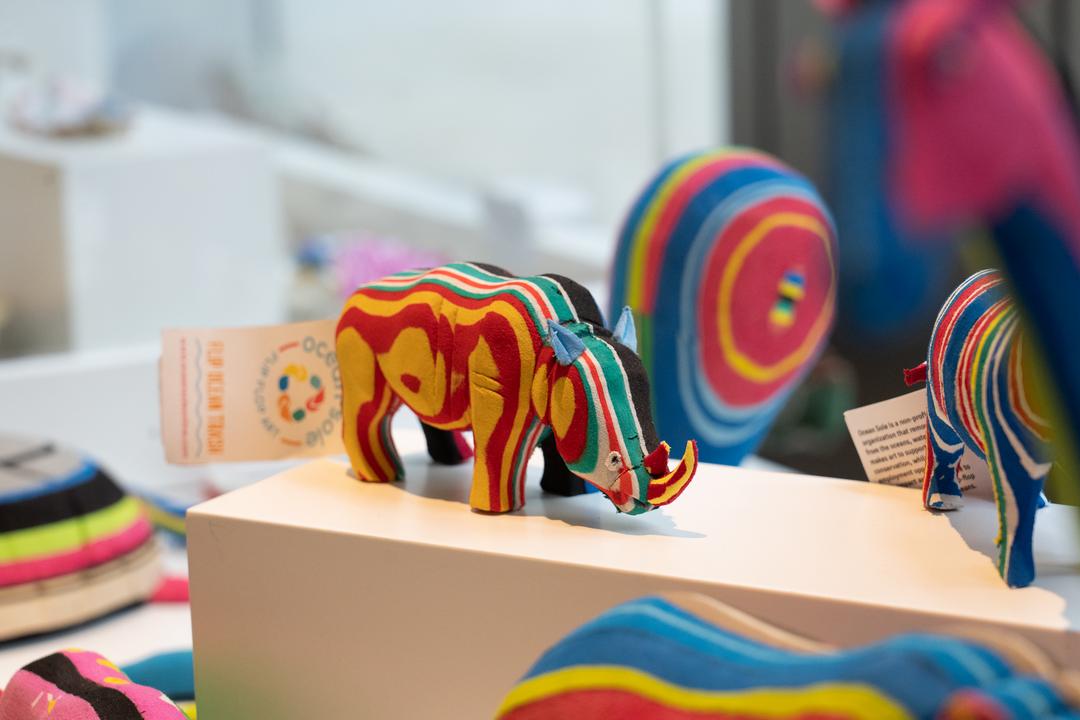
For Ocean Sole, sustainability takes on a tangible, artistic form. The organization transforms discarded flip-flops over 3 billion of which are produced annually into vibrant hand-carved sculptures that bring eco-conscious elegance to modern interiors. Each piece represents waste diverted from Kenya's coastlines and fair wages for skilled artisans, embodying the principle that beautiful design can also be restorative

Waste diverted. Art in the making. Every colour here represents a piece of plastic that won't reach the ocean.
How to Implement Sustainability in Interior Design
Implementing sustainable interior design requires a shift in mindset and practice.
Prioritize Longevity and Durability
Instead of asking "Is this sustainable?" clients and designers increasingly ask "How long will this last?". This shift fundamentally changes design decision-making toward materials and furniture that can withstand years of use, be repaired, or adapt to changing needs over time.
Embrace Circular Design Principles
Circular design focuses on minimizing waste through reuse, refurbishment, and recyclability. It encourages designing for disassembly, modularity, and upcycling ensuring that materials remain in continuous use rather than ending up in landfills. Ocean Sole exemplifies this principle by transforming discarded flip-flops into permanent art pieces that carry value far beyond their original form.
Specify Reclaimed and Upcycled Materials
The most sustainable materials are those that already exist. Prioritizing reclaimed, repurposed, and locally sourced materials significantly reduces carbon footprint by avoiding the high emissions associated with new production . Upcycled art pieces like Ocean Sole's sculptures offer designers a way to incorporate waste-derived materials that bring unique stories and character to spaces.
Support Ethical Supply Chains
Sustainable design must also consider social equity. This means working with suppliers who uphold fair wages, safe working conditions, and transparent sourcing practices. Ocean Sole's commitment to fair-trade employment for Kenyan artisans aligns with this principle, ensuring that each piece supports dignified livelihood

Craftsmanship with dignity. Our artisans work in safe conditions, earn fair wages, and take pride in every piece they make.
What Are the 4 Types of Sustainability?
Environmental Sustainability
This pillar focuses on meeting human needs without compromising the long-term health of the environment. It involves rational use of natural resources, reducing carbon emissions, and protecting ecosystems. For Ocean Sole, environmental sustainability means removing plastic waste from Kenya's coastlines preventing flip-flops from breaking down into microplastics that harm marine life for centuries.
Social Sustainability
Social sustainability concerns, improving relationships, inclusivity, equality, and community well-being. It recognizes that current actions will impact future generations and that design should preserve resources for those to come. The Ocean Mamaz in Kilifi demonstrates social sustainability by turning waste collection into stable income that supports 12 households while restoring coastal ecosystems.
Economic Sustainability
Economic sustainability means maintaining financial structures while improving systems for long-term viability. In design, this translates to creating spaces that deliver lasting value without sacrificing environmental or social responsibility. Ocean Sole's model proves that profit and purpose can coexist with the sale of upcycled art funds, further beach cleanups and artisan employment.
Human Sustainability
This pillar focuses on nurturing human potential within organizations and society ensuring access to fair working conditions, skill development, and human rights. For Ocean Sole's artisans, stable employment provides not just income but dignity, skills, and the opportunity to contribute to something meaningful.
These four pillars are interdependent. True sustainability requires balancing all four creating spaces that support people, planet, prosperity, and purpose simultaneously
How Can Interior Designers Have an Impact on Sustainable Design?
Interior designers occupy a unique position in the supply chain, with the power to influence material choices, support ethical producers, and educate clients. Their impact can be profound:
Educating Clients and Translating Trends
In 2026, designers are expected to act as guides rather than gatekeepers helping clients navigate complex choices and understand the value of sustainable options . This means explaining why upcycled materials matter, how long a piece will last, and what story it carries.
Considering the Full Lifecycle
Designers must look beyond initial installation to consider how materials will age, be repaired, and ultimately be repurposed. This includes specifying products that can be disassembled, recycled, or given a second life when their current use ends.
Specifying with Intent
Every specification is a vote for a particular supply chain. By choosing upcycled, reclaimed, and ethically sourced materials, designers direct investment toward regenerative practices. Ocean Sole's sculptures are proof that sustainable art belongs in high-end design

Stripes of colour, stories of transformation. Four sculptures, countless flip‑flops diverted from the ocean.
Supporting Local Artisans and Craftsmanship
By working with local artisans and social enterprises like Ocean Sole, designers can bring unique, handcrafted elements into spaces while supporting meaningful livelihoods.
Is Upcycling the Best Approach for Designers to Contribute to the Sustainable Textile Industry?
The textile industry creates a huge amount of waste. Upcycling offers a powerful alternative. Instead of breaking materials down into lower‑quality fibers, upcycling transforms waste into products of equal or higher value. That matters for interior designers who specify textiles for upholstery, curtains, and furnishings.
Why upcycling works:
It preserves quality: Upcycling keeps the strength and beauty of original materials. Designers can use reclaimed fabrics that look and feel as good as new, sometimes better.
It reduces demand for virgin resources: Making new fabric requires enormous amounts of water, energy, and chemicals. Upcycling sidesteps that.
It adds to the story: A sofa upholstered in upcycled fabric carries a history. It might be from old hotel linens, factory remnants, or even discarded clothing. That story makes the piece special.
For designers who want to make a real difference, upcycling is not just a trend—it is a practical, beautiful way to contribute. And it is not limited to textiles. Ocean Sole shows that upcycling can work for any material, turning beach waste into art that belongs in the most thoughtful interiors.
Bring sustainable art into your home. Every Ocean Sole sculpture tells a story of ocean conservation, artisan craftsmanship, and beautiful design.