Table of Contents
-
What Does the Profit Element of People, Planet, and Profit Refer To?
-
What Is the People Planet Profit Concept?
-
How Can a Business Measure Its Impact on People and the Planet?
-
What Makes a Successful Purpose-Driven Brand Partnership?
-
How Do People, Planet, and Profit Play a Vital Role in Overall Business Operations?
Partnering for the Planet: How Brands Can Align Profit with Purpose
The days of businesses having to choose between doing good and making money are over. In 2026, a growing number of companies are proving that purpose and profit are not competing forces but complementary ones. This shift is not just a trend, it is a response to a world facing urgent environmental and social challenges. Consumers, employees, and investors are demanding more. They want to know not just what a brand sells, but what it stands for.
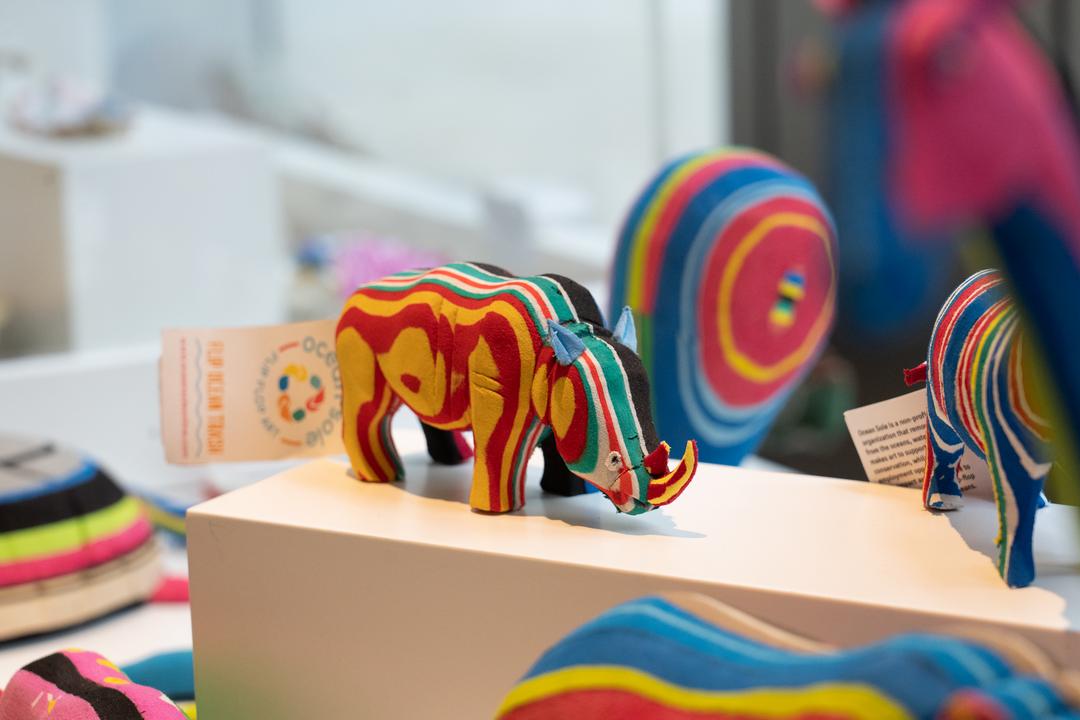
For Ocean Sole, this is not new. As a social enterprise based in Kenya, Ocean Sole has always operated at the intersection of environmental restoration and economic opportunity. Every colourful sculpture made from discarded flip-flops represents a beach cleaned, an artisan paid, and a sea turtle protected.

No two are the same. But together, they tell the same story: waste can become art, and art can change the world.
This blog explores the framework that makes such partnerships possible: the Triple Bottom Line of People, Planet, and Profit. It will show how brands can measure their impact, find the right partners, and turn sustainability from a cost into a competitive advantage.
What Does the Profit Element of People, Planet, and Profit Refer To?
When business leaders hear “profit,” they think of their financial bottom line: revenue minus expenses, quarterly earnings, shareholder returns. In the Triple Bottom Line framework, profit still matters, but it is understood differently. Profit is not the only goal it is one of three equally important measures of success.
The profit element refers to a company’s economic value. It is the traditional financial bottom line, but with a crucial twist: profit should be generated in a way that does not harm people or the planet. In other words, it is about making money responsibly. The framework suggests that a company can make money while also improving people’s lives and protecting the environment.
For Ocean Sole, profit is not an afterthought. It is essential. The income from selling sculptures funds beach cleanups, pays fair wages to over 100 Kenyan artisans, and supports conservation programmes. But profit is never pursued at the expense of people or the planet. Instead, it is the engine that drives environmental and social good. This is the kind of profit the Triple Bottom Line champions: profit with purpose.
What Is the People Planet Profit Concept?
The People, Planet, Profit concept often called the Triple Bottom Line (TBL), it’s a framework that measures a company’s success not just by its financial performance, but by its social and environmental impact as well.
People (Social Equity): This pillar focuses on how a company treats its workforce, its supply chain partners, and the communities it operates within. It includes fair wages, safe working conditions, diversity and inclusion, community investment, and respect for human rights.
Planet (Environmental Integrity): This pillar measures a company’s environmental footprint. It includes practices like reducing pollution, using renewable energy, minimising waste, and protecting natural ecosystems.
Profit (Economic Viability): This is the traditional financial bottom line, but it is pursued in a way that aligns with social and environmental goals. It is about creating shared value, not just shareholder value.
The Triple Bottom Line is not just a nice idea. It is a practical framework that helps businesses manage risk, attract talent, and build trust with customers. Companies that ignore it are increasingly seen as out of step with the times.
How Do People, Planet, and Profit Play a Vital Role in Overall Business Operations?
Integrating People, Planet, and Profit into daily business operations is not about adding a sustainability department. It is about changing how decisions are made at every level. Here is how each pillar plays a vital role:
People: A company’s most valuable asset is its people. When a business invests in fair labour practices, employee wellbeing, and community relationships, it sees tangible returns. Employees are more engaged, turnover decreases, and the company gains a reputation as a responsible employer. For Ocean Sole, the “People” pillar means providing stable, fair-trade employment to artisans who might otherwise struggle to find work. It also means supporting the Ocean Mamaz, a collective of women in Kilifi who turn waste collection into income.
Planet: Environmental sustainability is no longer optional. It is a business imperative. Companies that reduce their carbon footprint, minimise waste, and protect natural resources often find that these efforts also lower costs and improve efficiency. For Ocean Sole, the “Planet” pillar is at the heart of its mission. Every flip-flop collected from Kenya’s beaches is one less piece of plastic polluting the ocean. By upcycling this waste into art, Ocean Sole demonstrates that environmental action and business success can go hand in hand.

Not a single person standing still. Every member here is walking, collecting, carrying, turning a business imperative into a daily act of care.
Profit: Profit is the fuel that keeps a business running. But in the Triple Bottom Line model, profit is not an end in itself. It is a means to achieve social and environmental goals. When profit is aligned with purpose, it becomes a force for good. Ocean Sole’s profits are reinvested into beach cleanups, artisan training, and conservation programmes. This creates a virtuous cycle: the more sculptures sold, the more waste is removed, the more jobs are created, and the healthier the ocean becomes.
How Can a Business Measure Its Impact on People and the Planet?
Measuring social and environmental impact can seem daunting, but it is essential for turning good intentions into accountable action. The Triple Bottom Line framework provides a clear structure for doing this.
Measuring Social Impact (People): Businesses can track metrics such as employee turnover rates, diversity and inclusion data, community investment, and supply chain audits. For Ocean Sole, the social impact is measured in the number of artisans employed, the number of households supported, and the fair wages paid.
Measuring Environmental Impact (Planet): Common metrics include carbon emissions, energy intensity, water usage, waste diversion rates, and the use of renewable energy. For Ocean Sole, environmental impact is tracked in the number of flip-flops collected: The average number of flip- flops collected on each beach clean is about 5Kgs. the amount of waste removed, and the number of mangroves planted
Measuring Economic Impact (Profit): Traditional financial metrics like revenue, profit margins, and return on investment still apply. But in the Triple Bottom Line framework, they are viewed alongside social and environmental data. Tools such as the Global Reporting Initiative (GRI) and the Sustainability Accounting Standards Board (SASB) provide structured ways to report on all three areas.
The key is to start small, focus on what matters most to your business, and be transparent about both successes and challenges.
What Makes a Successful Purpose-Driven Brand Partnership?
A successful purpose-driven partnership is more than a logo swap or a one-off donation. It is a deep, strategic collaboration grounded in shared values and a commitment to measurable impact.
Here are the key ingredients:
1. Authentic Alignment: The partnership must be rooted in a genuine connection between the brands’ missions. For example, Ocean Sole partners with organisations that care about ocean conservation, plastic pollution, and community empowerment. This authenticity resonates with customers and builds trust.
2. Shared Goals and Measurable Outcomes: Both parties should agree on clear, tangible objectives. This could be the number of tonnes of waste removed, the number of jobs created, or the amount of funds raised for conservation. Measuring these outcomes together strengthens accountability.
3. Mutual Benefit: A purpose-driven partnership should benefit both sides. The brand gains credibility, storytelling material, and a tangible way to demonstrate its commitment to sustainability. The social enterprise gains funding, visibility, and a larger platform for its mission. For Ocean Sole, partnerships with brands like Rubis Energy Kenya have turned service stations into flip-flop collection hubs, amplifying the reach of the TurtleSafe Project.

The giraffe wears Rubis’s colours and logo. The people around it wear smiles and pride. This is what a successful purpose‑driven partnership looks like.
4. Long-Term Commitment: Real change takes time. The most impactful partnerships are not one-off campaigns but ongoing collaborations that evolve and deepen over time.
5. Storytelling That Inspires Action: Finally, the partnership must be communicated in a way that inspires others to act. When customers see a brand partnering with Ocean Sole, they learn that their purchase supports beach cleanups and artisan livelihoods. This turns a transaction into a movement.
Ready to align your brand’s profit with purpose? Partner with Ocean Sole to create meaningful environmental impact, support Kenyan artisans, and protect our oceans.
Explore Partnership Opportunities →