Table of Contents
-
Introduction: The New Face of Corporate Social Responsibility
-
What Is Ocean Art and Why Does It Matter?
-
Why Companies Are Commissioning Ocean Art
-
The Deeper Impact: Beyond the Artwork
-
Why Ocean Art Creates Lasting CSR Value
-
How Commissioned Ocean Art Inspires Employees and Customers
-
Why Ocean Art Is the Future of CSR
-
Conclusion: CSR That Leaves a Legacy
-
Frequently Asked Questions (FAQs)
Introduction: The New Face of Corporate Social Responsibility
Corporate Social Responsibility (CSR) is evolving rapidly. Companies today are moving beyond traditional approaches like once-off donations or short-term campaigns. Instead, they are seeking initiatives that are authentic, visible, and aligned with their long-term values.
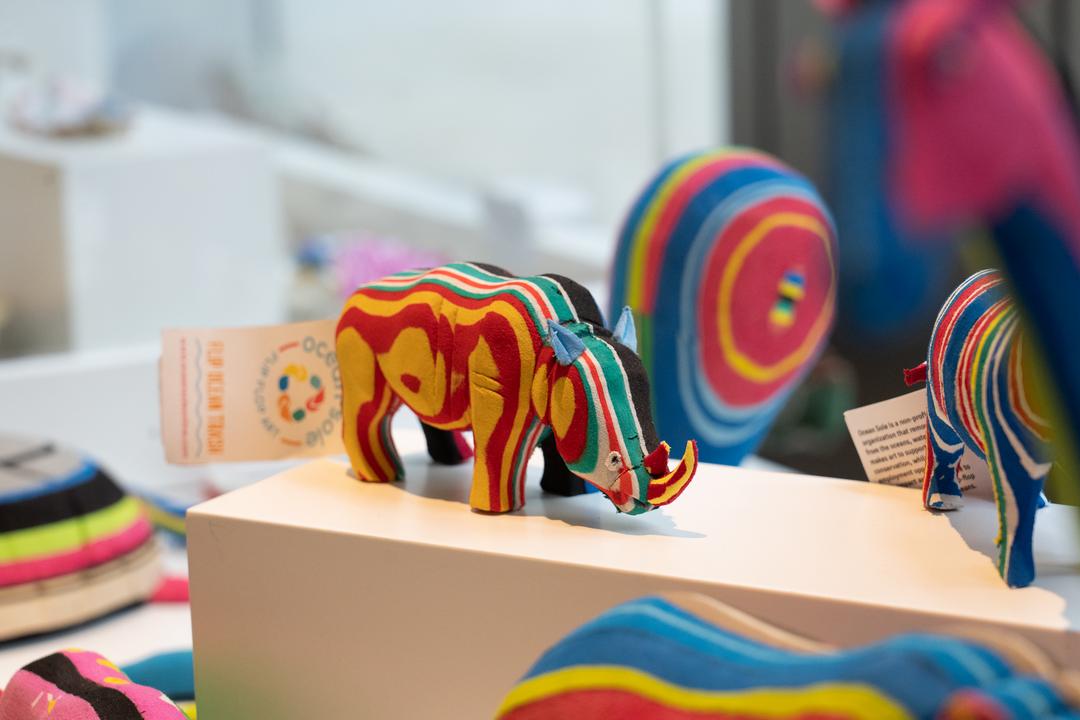
One of the most powerful ways brands are achieving this is by commissioning ocean art — sculptures made from recycled ocean plastic that represent transformation and purpose. Organizations like Ocean Sole are leading this change by collecting discarded flip-flops from beaches and waterways and transforming them into vibrant, handcrafted sculptures. These artworks allow companies to actively participate in environmental solutions while visibly demonstrating their commitment to sustainability. Rather than simply talking about impact, companies can show it.
What Is Ocean Art and Why Does It Matter?
Ocean art refers to sculptures created from marine plastic waste, particularly discarded flip-flops that pollute coastlines and oceans. These materials, once harmful to marine ecosystems, are recovered and transformed into meaningful works of art by skilled artisans.
The importance of ocean art lies in its symbolism and its impact. It represents the possibility of turning a global environmental problem into a positive solution. Each piece tells a story of recovery, creativity, and responsibility. It also raises awareness about ocean pollution in a way that is engaging and accessible. For companies, ocean art provides an opportunity to be part of this solution while supporting initiatives that restore the environment and uplift communities.
Why Companies Are Commissioning Ocean Art
Companies are increasingly commissioning ocean art because it allows them to make their CSR efforts visible and tangible. Many sustainability initiatives happen behind the scenes, making them difficult for employees, customers, and stakeholders to fully appreciate. Ocean art changes this by providing a physical representation of impact that people can see and connect with every day.
Ocean art also strengthens brand storytelling. Modern audiences want to engage with brands that demonstrate genuine purpose. A sculpture made from recovered ocean plastic communicates commitment in a powerful and emotional way. It shows that a company is willing to invest in meaningful change rather than simply making statements.
In addition, commissioning ocean art supports circular economy principles by transforming waste into something valuable. This reflects a company’s dedication to reducing waste and supporting sustainable production methods. It also aligns with Environmental, Social, and Governance (ESG) goals by contributing to environmental protection and social impact at the same time.
The Deeper Impact: Beyond the Artwork
The impact of commissioned ocean art extends far beyond the sculpture itself. Each piece represents plastic that has been removed from the environment, helping to reduce pollution and protect marine life. It also supports employment opportunities for artisans who rely on this work for stable and meaningful livelihoods.
In addition, ocean art plays an important role in raising awareness. When people encounter these sculptures, they often become curious about their origin and meaning. This curiosity creates opportunities for education and conversation about sustainability and ocean conservation. In this way, a single sculpture can inspire countless people and contribute to a broader culture of environmental responsibility.

Our colourfull flop-flop coasters, saving the oceans 1 flip-flop at a time.
Why Ocean Art Creates Lasting CSR Value
Ocean art provides long-term value because it is permanent and meaningful. Unlike temporary campaigns that may be forgotten, a sculpture remains in place as a continuous reminder of a company’s commitment to sustainability. It becomes part of the organization’s identity and reinforces its values over time.
This lasting presence also strengthens credibility. When stakeholders see a company investing in tangible sustainability initiatives, it builds trust and confidence. Ocean art demonstrates that CSR is not just a marketing effort but a genuine commitment to making a difference.
How Commissioned Ocean Art Inspires Employees and Customers
Ocean art has a unique ability to create emotional connections. For employees, it serves as a reminder that their workplace is contributing to something positive. This can increase pride, motivation, and a sense of shared purpose.
For customers and visitors, ocean art communicates values without needing explanation. It shows that the company cares about the environment and is taking action. This can strengthen relationships, improve brand perception, and encourage deeper engagement. In a world where people increasingly support brands that align with their values, these connections are incredibly important.
Why Ocean Art Is the Future of CSR
CSR is increasingly becoming integrated into the core identity of companies rather than existing as a separate initiative. Ocean art represents this shift by embedding sustainability into physical spaces and everyday experiences.
It reflects a move toward initiatives that are meaningful, visible, and lasting. As companies continue to look for ways to demonstrate leadership and responsibility, ocean art provides a powerful solution. It combines environmental restoration, social impact, and storytelling in a way that few other CSR initiatives can.
This makes ocean art not just relevant today, but an important part of the future of corporate responsibility.

Flip-flop pineapple sculptures - perfect corporate gift can be used to uplift any space, bring joy to the office, adding a bit of color to a bathroom or simply used as a table decoration.
Conclusion: CSR That Leaves a Legacy
The most effective CSR initiatives are those that create lasting impact and meaningful connections. Ocean art transforms plastic pollution into symbols of hope and responsibility, allowing companies to visibly demonstrate their commitment to sustainability.
By commissioning ocean art, companies support environmental restoration, empower communities, and inspire others to think differently about waste and conservation. These sculptures become more than decorative pieces — they become symbols of leadership and purpose.
CSR that stands out is CSR that people can see, understand, and remember. Ocean art makes this possible by turning sustainability into something tangible, powerful, and lasting.
Frequently Asked Questions (FAQs)
What is ocean art?
Ocean art is sculpture made from recycled ocean plastic, particularly flip-flops collected from beaches and waterways and transformed into artwork.
Why do companies commission ocean art?
Companies commission ocean art to demonstrate their commitment to sustainability, support environmental conservation, and create visible and meaningful CSR impact.
How does ocean art help the environment?
Ocean art helps by removing plastic waste from the environment and repurposing it into meaningful sculptures, reducing pollution and raising awareness.
Is ocean art suitable for corporate spaces?
Yes, ocean art is ideal for offices, headquarters, hotels, and public spaces because it communicates sustainability values in a visible and impactful way.
Why is ocean art considered impactful CSR?
Ocean art combines environmental conservation, social impact, and awareness into one initiative, making it a powerful and lasting form of Corporate Social Responsibility.